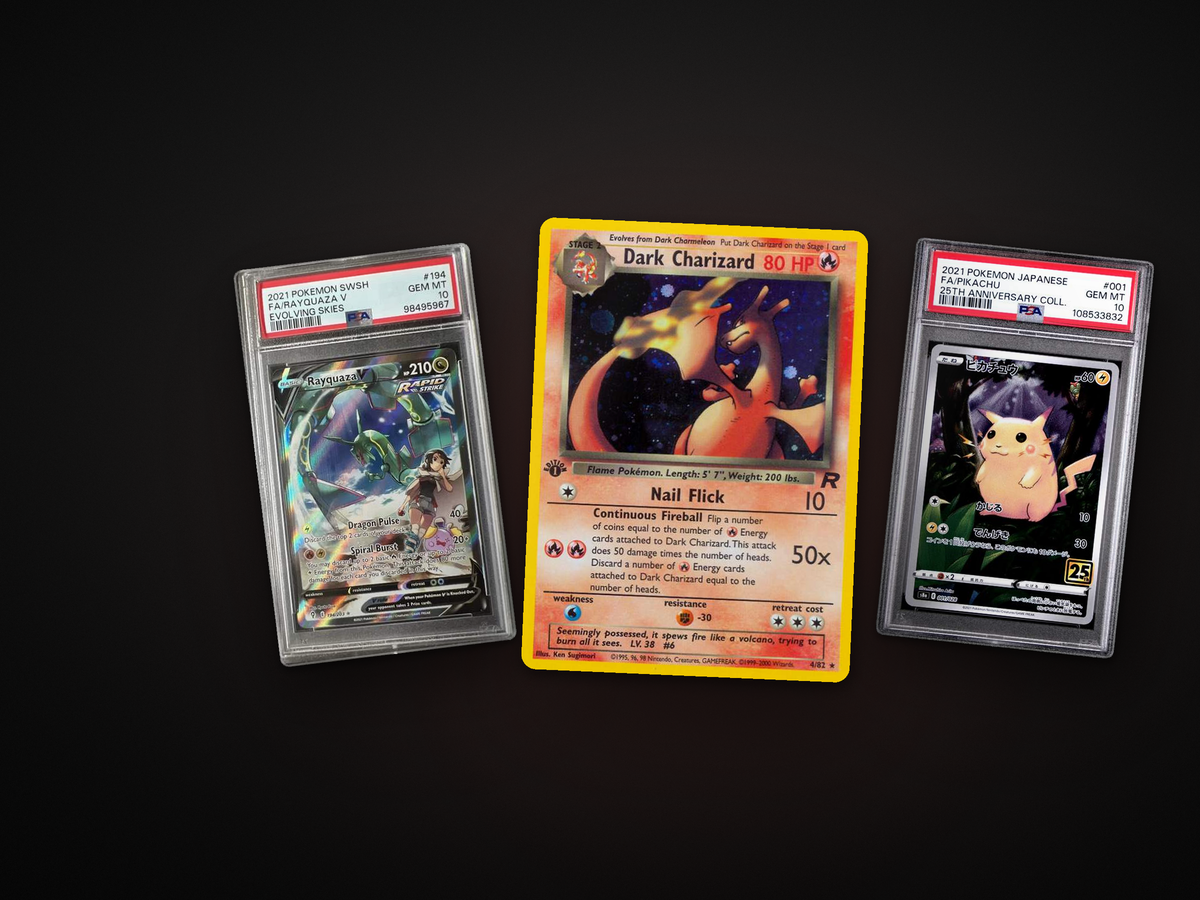
A Pokémon card is worth roughly what someone recently paid for the same card, in the same condition. Most cards sell for pennies. A few are worth real money.
To find out which you've got, you need to do 3 things: work out exactly which card it is, be honest about its condition, and look up what it actually sold for.
How do I work out which card I've got?
Two cards with the same Pokémon on them can be worth wildly different amounts, so start with the small print at the bottom.
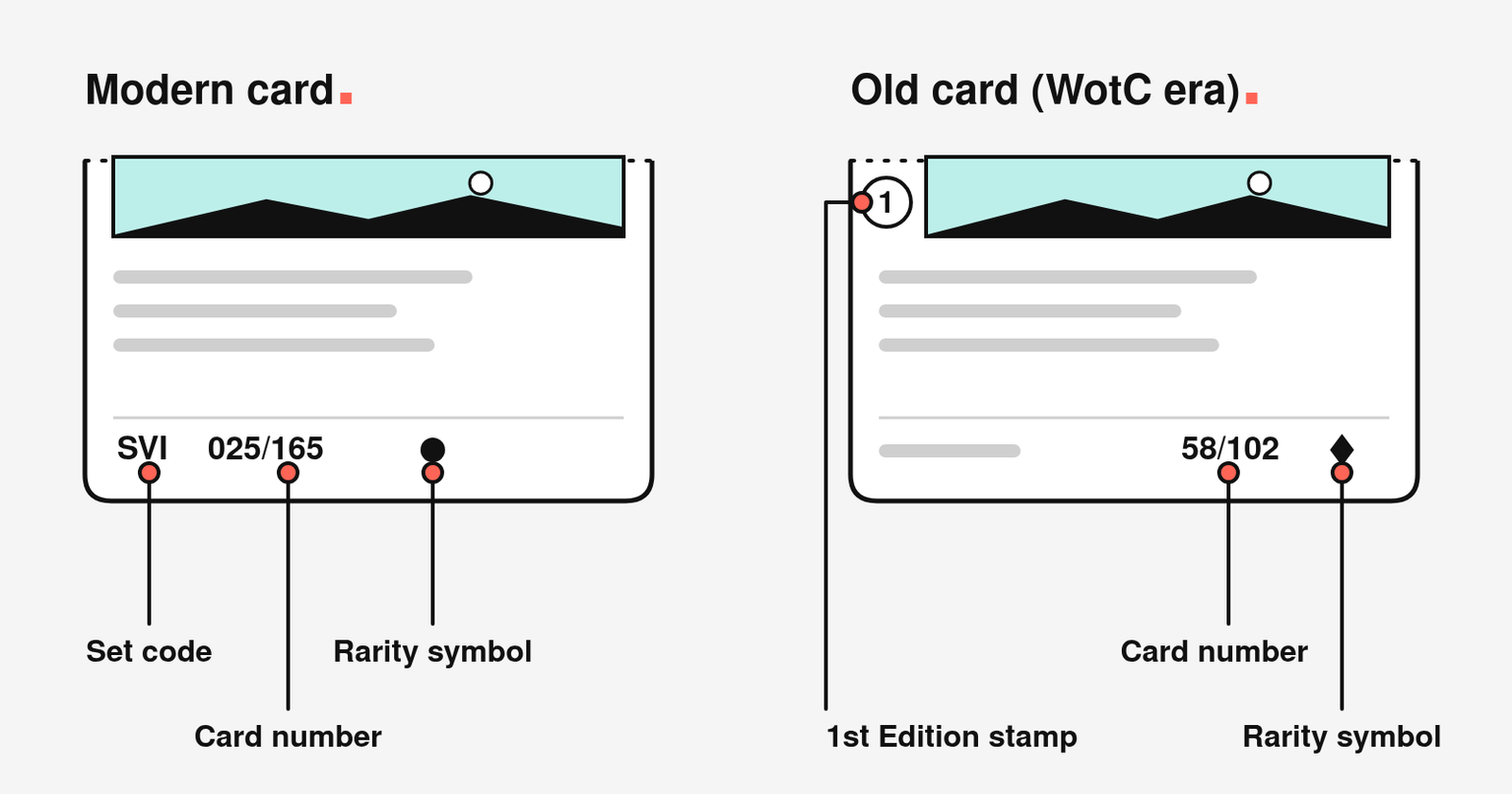
- Card number. Newer cards show a number like 025/165. If the first number is higher than the second (170/165, say), it's usually one of the rarer extras in the set.
- Rarity symbol. Usually next to the card number. More on these below.
- 1st Edition stamp. Some of the earliest English cards have a small "1st Edition" stamp to the left of the picture. There's no such thing as a 2nd Edition, so if a card says that, it's fake.
- Language. A Japanese card and an English card of the same Pokémon have separate prices.
Not sure? Pokémon's official card database lets you search by name and set to check.
How do I tell if a Pokémon card is rare?
Look at the symbol by the card number. It tells you how often the card was printed compared with the rest of its set. It won't give you a price, but it narrows things down fast.
- Black circle. Common. Most of the set.
- Black diamond. Uncommon.
- 1 or 2 black stars. Rare.
- 2 silver stars. Ultra rare. The picture covers the whole card.
- 1 or 2 gold stars. Illustration rare. Special artwork that covers the whole card.
- 3 gold stars. Hyper rare. Gold cards.
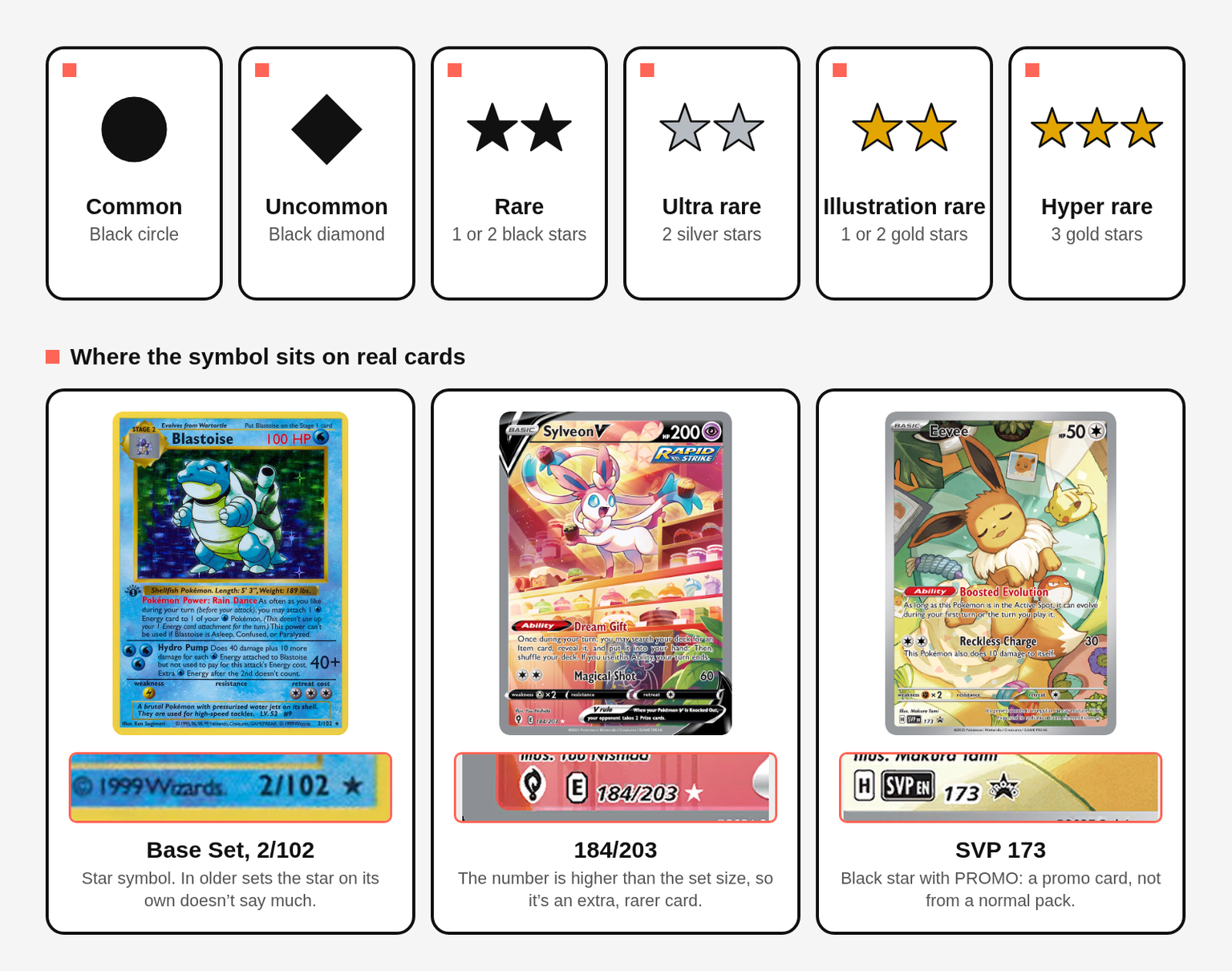
That's how newer cards work (from 2023 onwards). Older sets are messier: a single star could mean anything from a plain shiny card to something much harder to find. Japanese cards use letters instead of shapes.
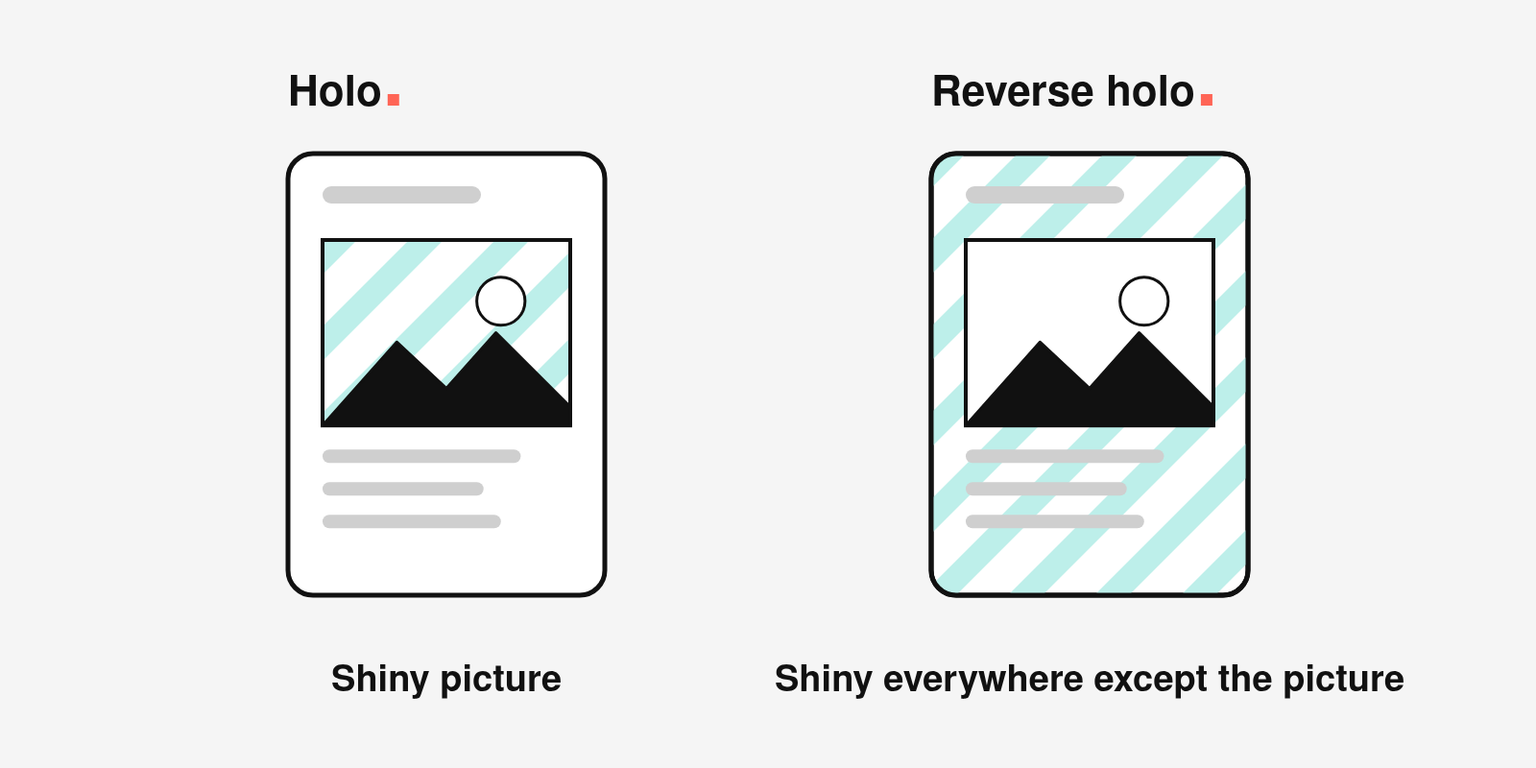
A "holo" card has a shiny picture. A "reverse holo" is shiny everywhere except the picture. The holo is usually worth a bit more.
Does condition matter?
More than people expect. White edges, a crease or a scratch on the shiny bit can take a card down to a fraction of the price of a clean one.
Look at your card front and back under good light before you look up any prices. Otherwise you're comparing your card with better copies of it.
Where can I check what my card is worth?
Look at what cards actually sold for, not what sellers are asking. Asking prices are hopes. Sold prices are facts.
- eBay UK. Search the exact card, then filter to "Sold items". Skip listings with no photos and bundles.
- Cardmarket. Used by most UK and European collectors. You can filter by condition and language.
- Live auctions. Watching cards sell in real time is a good gut check. Just treat 1 sale as 1 sale, not a valuation.
Look at a handful of recent sales and go with the middle, not the top. If nobody's sold your exact card lately, that tells you something too.
Is there a free app that values Pokémon cards?
Several, and they're handy for a first pass through a big pile. Just know that lots of them use US prices, which don't always match the UK. Use the app to spot the cards worth a closer look, then check those against UK sold prices.
Are old Pokémon cards from the 90s worth money?
Some are. Old isn't enough on its own. The ones that sell well are mostly shiny cards or 1st Edition prints of popular Pokémon, and condition decides most of the price.
A lot of 90s cards lived in playground pockets and shoeboxes, so clean copies are much harder to find than the cards themselves.
Found an old binder? Don't clean, press or trim anything. Any sign of tampering knocks the value.
Are Japanese Pokémon cards worth more?
There's no general rule. Some cards are worth more in Japanese, others in English. Check each language separately.
What about gold cards?
Gold cards in newer sets (the 3 gold star ones) are genuinely rare. The shiny "gold metal" cards sold cheaply in bulk online are something else, and most aren't official Pokémon products. If you're unsure, check the official database.
How do I value a whole collection?
Sort first, then price.
- Pull out anything that looks special: shiny cards, full-picture cards, star symbols, gold cards, 1st Edition stamps and anything old.
- Put those in sleeves straight away.
- Price the special pile card by card.
- The rest usually sells in bulk, for very little per card.
A shop buying the whole lot needs to make money on it, so expect less than selling card by card. If you value your weekends, that can still be the right call.
Watch cards sell on Tilt
Tilt is a live shopping app where UK card shops and collectors sell on camera: live auctions, breaks, and Clips, short video listings you can buy any time. Sellers show cards up close before the bidding starts, so you can see what people are actually paying.