What is a slabbed card?
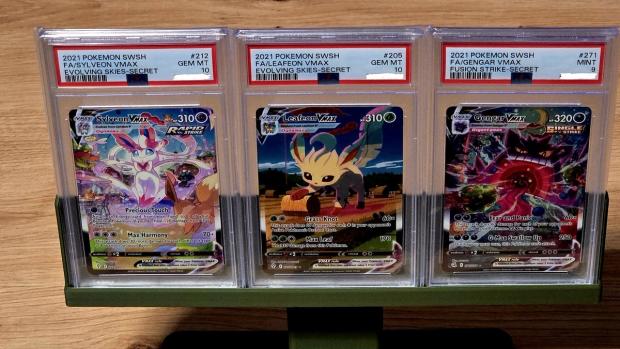
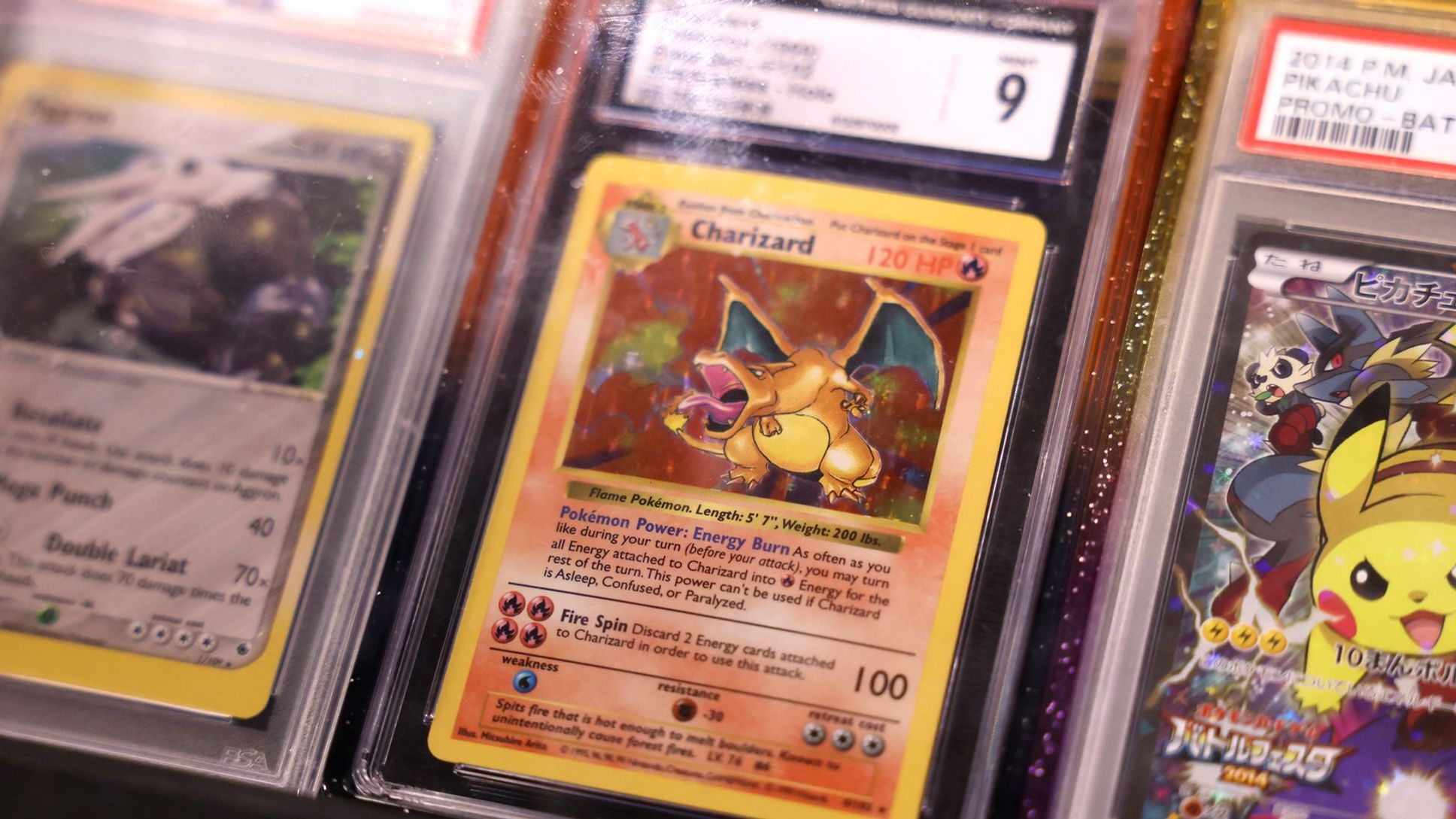
A slabbed card is a graded card. It has been sent to a grading company, checked for authenticity, given a condition grade and sealed in a hard plastic holder. Collectors call that holder a slab. A card that hasn’t been graded is raw.
The holder is welded shut, so opening it to swap the card leaves marks on the case. Slab, raw, crack and the rest of the jargon are all in our Pokémon TCG glossary.
Who makes slabs?
Every grading company uses its own holder and label design. The ones you’ll see most often:
- PSA: red-bordered label and a 1 to 10 grading scale. Current labels carry security features listed on PSA’s security page.
- CGC Cards: labels with microprinting, UV ink, holographic foil, a barcode and a QR code on the back, according to CGC’s holder and label page.
- Beckett (BGS): offers grading with or without subgrades for individual qualities of the card.
- SGC: lets you check any of its slabs on its cert verification page.
- ACE Grading: a UK-based grader that includes free subgrades for corners, edges, surface and centring.
- TAG: no paper label. The grade and card details are inscribed inside the slab, with a QR code that opens a digital grading report.
Want to send your own cards in? Our guide on how to grade Pokémon cards in the UK walks through the process.
What’s on a slab label?
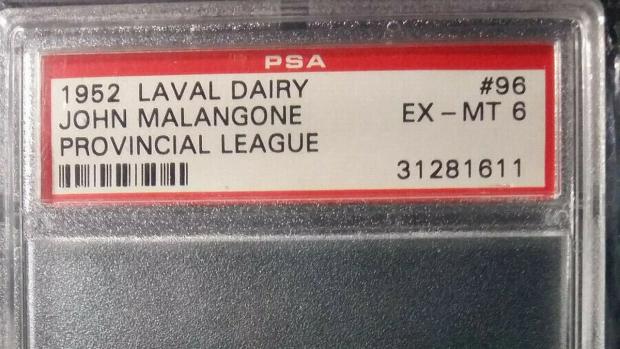
Labels differ by grader, but they all show the same core details:
- Card details: year, set, card name and card number.
- Grade: a number, usually 1 to 10, often with a word such as GEM MT or MINT.
- Cert number: the unique ID for that slab, which you use to look it up.
- Barcode: printed on the front of PSA and CGC labels.
- QR code: on the back of current PSA and CGC labels, linking to the cert record.
Current PSA labels add a Lighthouse hologram that switches on and off as you tilt the slab, fugitive ink that washes away if someone tries to clean the label, and a PSA logo pattern on the back that shows under UV light. PSA lists all three on its security page.
Why do slabs matter?
- Protection: the sealed case keeps the card away from fingers, dust and knocks.
- Verification: an independent company has checked the card and recorded it in a public database.
- Price: a grade gives buyer and seller a shared reference point, and a higher grade can sell for several times what a lower grade fetches.
Grading costs money and takes time, so it doesn’t pay off for every card. Our guide on whether grading Pokémon cards is worth it covers when it does. To see what your cards could fetch raw or graded, start with how much your Pokémon cards are worth.
Slab vs raw: which should you buy?
Raw cards cost less, and you judge the condition yourself. Slabs cost more, but the authenticity and grade have already been checked by a third party, and the cert record follows the card from owner to owner.
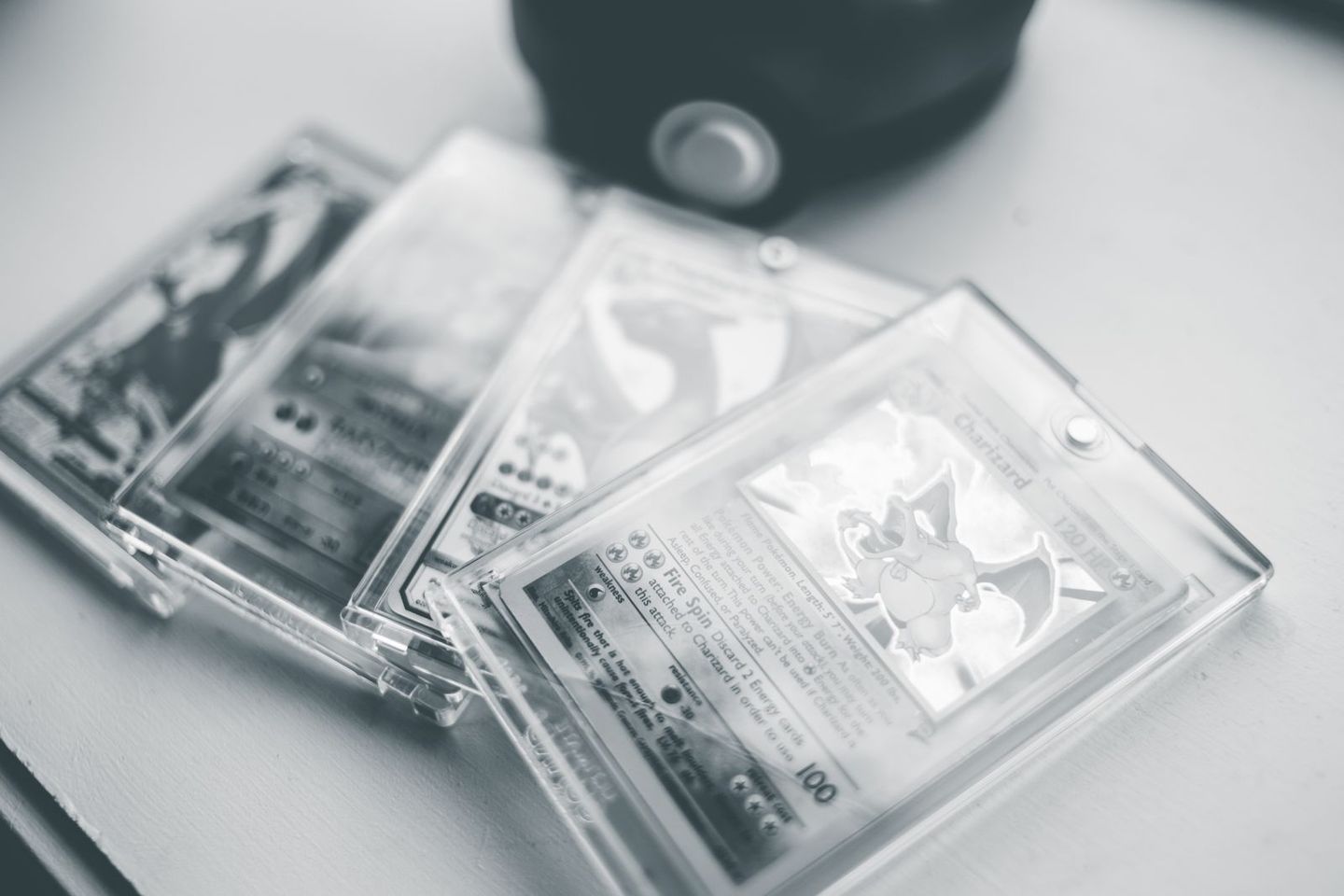
For expensive cards, a slab is the safer buy. For cards you’ll play with or keep in a binder, raw is usually fine. Either way, look at the actual card before you pay. On Tilt, sellers show raw and graded cards live and in Clips, so you can see the real card from every angle. More options are in our guide to where to buy Pokémon cards in the UK.
Can you crack a slab?
Yes. Collectors crack slabs to resubmit a card for a higher grade or to move it to another grader. But the old grade goes with the case. PSA’s guarantee says a card removed from its holder is treated as if PSA never graded it, and CGC’s guarantee excludes cards removed from CGC holders.
If you just want a fresh case or a different grader’s slab, look at reholder and crossover services first. They let the grader handle the card instead of you.
How to check a slab is real
- Find the cert number on the label.
- Look it up on the grader’s own site: PSA, CGC, Beckett, SGC, ACE or TAG. Type the address yourself rather than following a seller’s link.
- Check that the year, set, card name, number and grade on the record match the label exactly.
- If the record has photos, compare them with the card in the slab. Centring and edge wear should be identical.
- Inspect the case for cracks, cloudy edges, glue or any flex.
A matching cert number isn’t proof on its own, because counterfeiters copy real ones. Our guide to fake PSA slabs and super clones covers the red flags in detail.
FAQs
What does slabbed mean?
It means the card has been graded and sealed in a grading company’s plastic holder.
What does PSA 10 mean?
PSA 10, labelled GEM MT 10, is the top grade on PSA’s 1 to 10 scale.
Can you slab a card yourself?
You can buy empty cases that look like slabs, but they carry no grade and no cert number. Only a grading company can issue a graded slab.
Does cracking a slab void the grade?
Yes. Once the card is out of the holder, the grade and the grader’s guarantee no longer apply.
How do you tell if a slab is fake?
Look the cert number up on the grader’s site, check every detail and photo against the slab, and inspect the case and label. Our fake PSA slab guide has the full checklist.
Cover photo: Gage Skidmore, CC BY-SA 4.0